

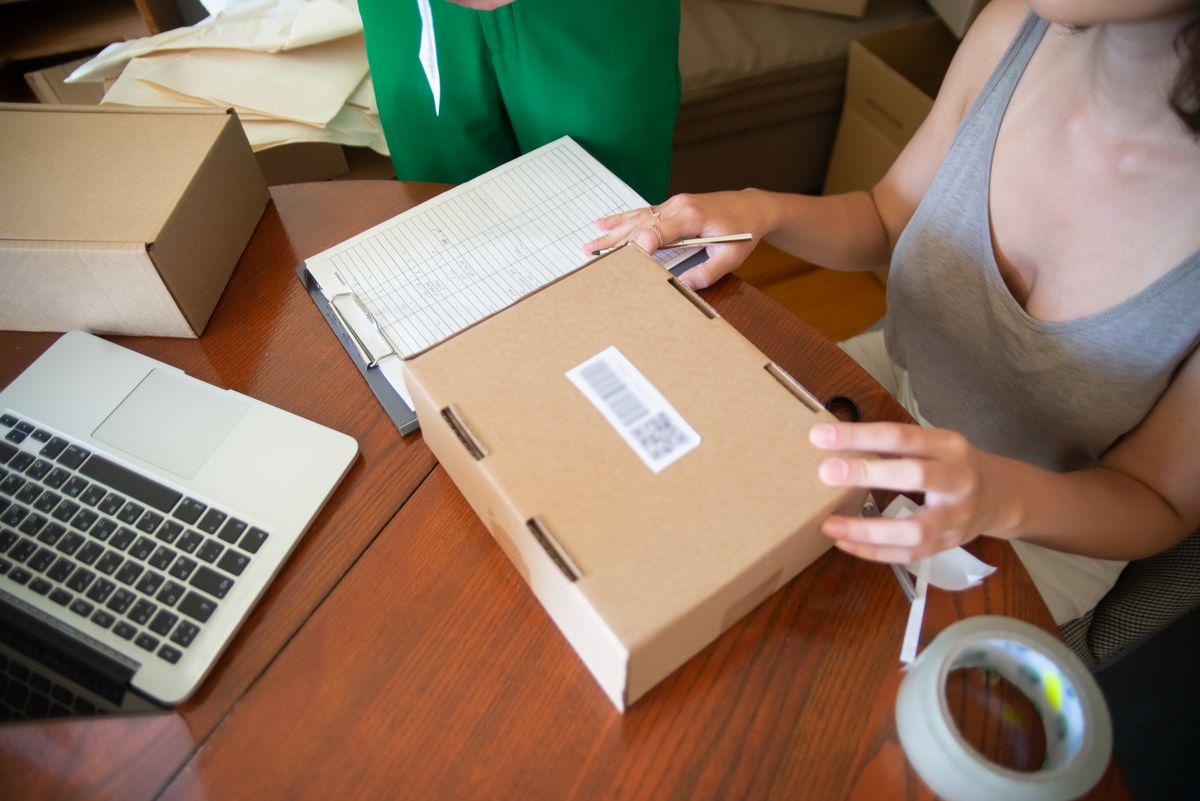
You no longer need a warehouse or a big budget to start an online store. With simple website builders, social media and print-on-demand or small-batch suppliers, many young founders launch for a few hundred dollars or less. Here is a step-by-step plan.
Step 1: Choose what to sell
- Your own products: handmade goods, art, beauty or food (check local rules).
- Print-on-demand: designs printed only when someone orders.
- Small-batch wholesale: buy limited stock to test demand.
- Digital products: templates, guides or presets with no shipping.
Pick something you understand and that solves a clear problem or serves a specific audience.
Next, validate demand
Before buying stock, share mock-ups with your target audience, run a small pre-order or post in relevant communities. Our guide to validating a business idea walks through this in detail.
Step 3: Choose a platform
| Option | Good for | Consider |
|---|---|---|
| Hosted store builders | Fast setup, built-in payments | Monthly fees and transaction fees |
| WordPress with WooCommerce | Control and flexibility | More setup and maintenance |
| Marketplaces | Built-in traffic | Fees and competition |
| Social commerce | Selling where your audience already is | Less control over the platform |
Then price for profit
Add up product cost, packaging, shipping, platform fees, payment fees and advertising. Then add your profit margin. Many small stores aim for a gross margin of 50% or more so there is room for marketing and slow months. Track your numbers with our Side Hustle Income Tracker.
Step 5: Set up the essentials
- Clear product photos and honest descriptions.
- Shipping rates, delivery times and a returns policy.
- Secure payments through trusted providers.
- A privacy policy and terms of service.
- A business bank account to keep money separate.
Now market your store
- Post consistently on the platforms your customers use.
- Partner with micro-creators in your niche.
- Collect emails and send a simple newsletter.
- Ask early customers for reviews and photos.
- Test small ad budgets only after you know your profit per order.
Step 7: Handle taxes and legal basics
Sales tax or VAT rules depend on where you and your customers are. Register your business when required; Nigerian sellers can register a business name with the CAC. Set aside money for income tax with our Freelance Tax Estimator.
Common mistakes
- Buying too much stock before testing.
- Underpricing and ignoring fees.
- Spending heavily on ads before the store converts.
- Poor customer service and slow replies.
What to track after you start an online store
Once you start an online store, a few numbers tell you whether it is working:
| Metric | Why it matters |
|---|---|
| Conversion rate | The share of visitors who buy |
| Average order value | How much each customer spends |
| Customer acquisition cost | What you spend to win each customer |
| Gross margin | Profit after product and fulfilment costs |
| Repeat purchase rate | How many customers come back |
Review these monthly. If conversion is low, improve photos, descriptions and trust signals like reviews. If acquisition cost is high, focus on organic content, email and referrals. Increasing average order value with bundles or free-shipping thresholds is often easier than finding new customers.
For official, up-to-date guidance, see the U.S. Small Business Administration business guide.
Frequently asked questions
How much does it cost to start an online store?
Some people start with under a few hundred dollars using print-on-demand or digital products. Stock-based stores usually need more.
Do I need a business license to sell online?
It depends on your location and products. Check your local and national rules.
What sells best online?
Products that solve a clear problem or serve a passionate niche usually do better than generic items.
Start an online store: key takeaways
- Choose a focused product and validate demand first.
- Pick a platform that matches your budget and skills.
- Price for profit after all fees.
- Market consistently and handle taxes early.
Last reviewed: October 2026. This article is general education, not personal financial, tax or legal advice. Rules, rates and limits change, so check official sources or speak to a qualified professional before making decisions. See our Financial Disclaimer.