

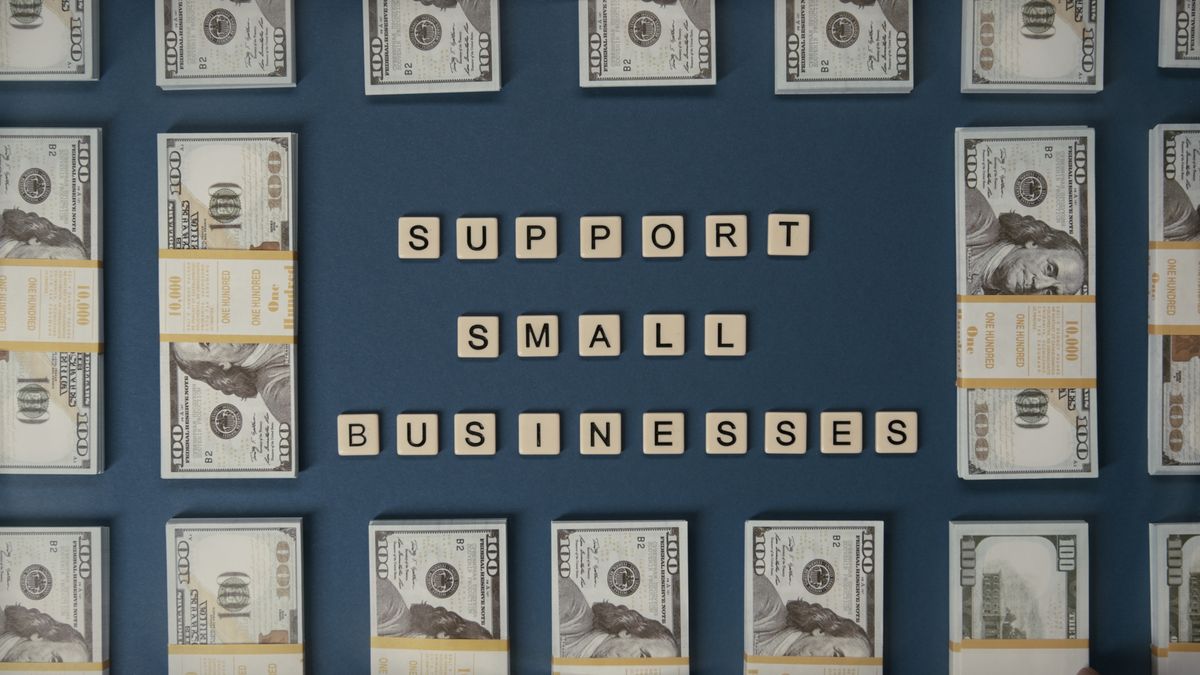
A small business grant is money you do not have to repay, which makes it one of the most attractive types of funding for young founders. Grants are competitive and come with rules, but with the right approach your chances improve significantly.
Where small business grants come from
- Governments: national, state, provincial and local programs, often for specific industries or regions.
- Corporations: companies run grant programs for small or underrepresented businesses.
- Foundations and nonprofits: often focused on social impact, women, young people or minority founders.
- Competitions and accelerators: pitch events with cash prizes.
Who usually qualifies
Many grants target specific groups or goals: early-stage startups, research and innovation, rural businesses, exporters, or founders from particular backgrounds. Read the eligibility criteria carefully before investing time in an application.
How to find grants
- Check official government business websites for your country and region.
- Ask your local small business development centre or chamber of commerce.
- Search university and incubator programs if you are a student or recent graduate.
- Follow corporate grant announcements and foundation newsletters.
- Set a monthly reminder; many grants open once a year.
How to write a strong application
- Answer the question asked: mirror the grant’s goals in your answers.
- Be specific: explain exactly how you will use the money and the results you expect.
- Show traction: customers, revenue, partnerships or pilots.
- Include a simple budget: costs should add up and match the plan.
- Proofread and submit early: late or sloppy applications are easy to reject.
Grant scams to avoid
- “Guaranteed” grants that require an upfront fee.
- Unsolicited messages saying you have won a grant you never applied for.
- Requests for your bank login or card details.
- Websites that look official but use slightly different addresses.
Legitimate grant programs do not charge you to receive the money.
Country notes
US founders can start with official government grant listings and their state economic development agency. UK founders should check local growth hubs and Innovate UK competitions. Canadian founders can explore federal and provincial innovation and youth programs. Nigerian founders can look at programs from SMEDAN, the Bank of Industry and reputable private foundations.
Tax and reporting
Grant money may be taxable, depending on your country and the grant type. Keep receipts and reports showing how you used the funds, because many grants require progress reports. Track business income with our Side Hustle Income Tracker and plan tax with our Freelance Tax Estimator.
A simple small business grant application checklist
Use this checklist before submitting any small business grant application:
- ☐ I meet every eligibility rule, including location, business age and industry.
- ☐ I have read the scoring criteria and addressed each one.
- ☐ My budget adds up and matches the activities I describe.
- ☐ I have explained measurable outcomes, such as jobs, revenue or customers served.
- ☐ I have attached all required documents in the requested formats.
- ☐ Someone else has proofread my application.
- ☐ I am submitting at least a few days before the deadline.
Keep a master document with your business description, mission, financials and founder story. Most applications ask similar questions, so a strong master file can cut preparation time in half. If you are rejected, politely ask for feedback; many funders share notes that improve your next application.
For official, up-to-date guidance, see Grants.gov.
Frequently asked questions
Are small business grants free money?
They do not need to be repaid, but they come with conditions on how you use the money and often require reports.
Can a startup with no revenue get a grant?
Yes. Some grants specifically support early-stage or pre-revenue businesses, especially in innovation.
How long does a grant application take?
Simple applications may take a few hours; larger government grants can take weeks to prepare.
Small business grant: key takeaways
- Grants are competitive but do not need repayment.
- Match your application closely to each grant’s goals.
- Be specific about spending and expected results.
- Never pay a fee to receive a grant.
Last reviewed: October 2026. This article is general education, not personal financial, tax or legal advice. Rules, rates and limits change, so check official sources or speak to a qualified professional before making decisions. See our Financial Disclaimer.