

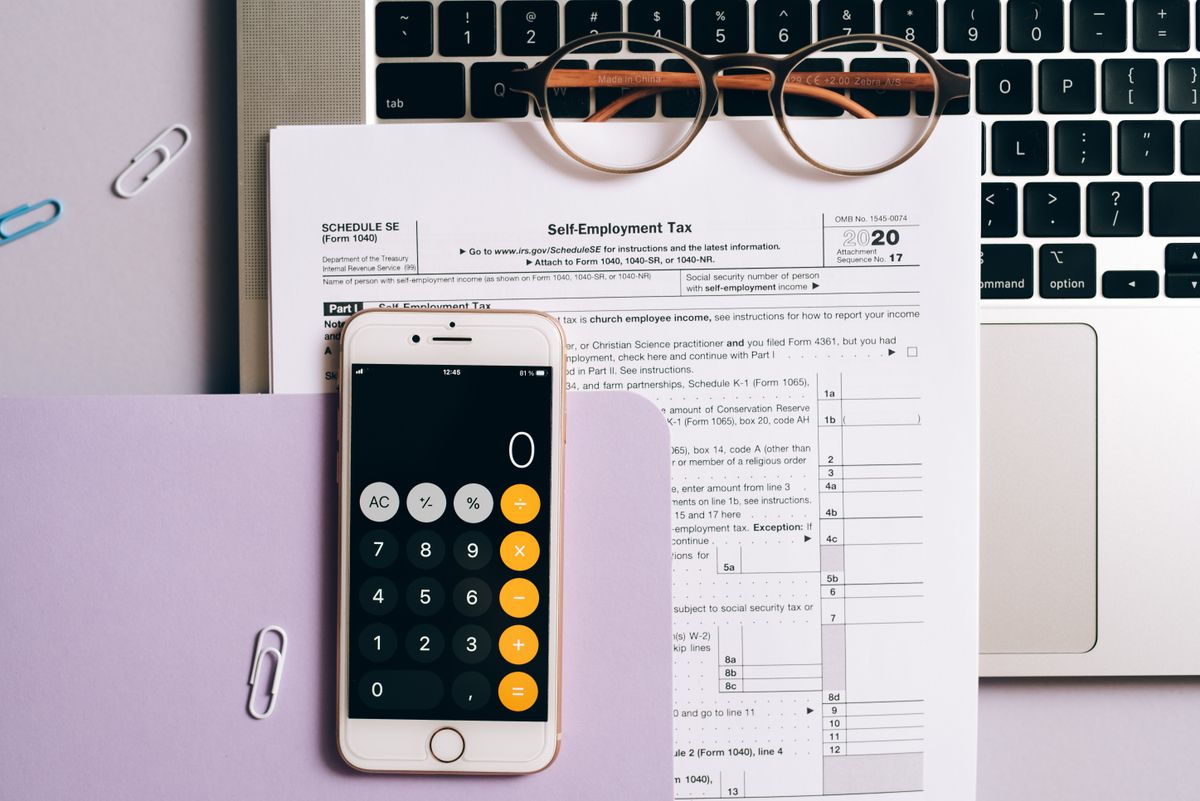
If you earn money outside a regular PAYE job in the UK, such as freelancing, a side hustle or rental income, you may need to file a Self Assessment tax return. It sounds intimidating, but once you understand the steps, it is very manageable.
Who needs to file Self Assessment?
- Self-employed sole traders earning more than the trading allowance.
- Partners in a business partnership.
- People with untaxed income such as rental income, tips or some investment income.
- Some higher earners and people with certain income or claims.
The trading allowance means you may not need to register if your gross self-employment income is below the threshold. Check GOV.UK’s online tool to confirm your situation.
Key dates
| Deadline | What happens |
|---|---|
| 5 October | Register for Self Assessment if you are filing for the first time for the previous tax year |
| 31 October | Paper return deadline |
| 31 January | Online return deadline and payment of any tax owed, plus the first payment on account if required |
| 31 July | Second payment on account, if required |
The UK tax year runs from 6 April to 5 April.
How to register
- Check you need to file using GOV.UK’s online checker.
- Register as self-employed or for Self Assessment through HMRC.
- You will receive a Unique Taxpayer Reference (UTR).
- Set up your HMRC online account and Government Gateway login.
What goes on your Self Assessment tax return
- Income from self-employment, rental property, dividends and other untaxed sources.
- Allowable business expenses.
- Pension contributions and Gift Aid donations that may affect your tax.
- Any PAYE income from employment, which is still reported.
Allowable expenses
You can usually deduct costs you incur wholly and exclusively for your business, such as:
- Equipment, software and tools.
- A share of phone, broadband and home costs if you work from home.
- Business travel and mileage.
- Professional fees, insurance and training related to your work.
Alternatively, you can use the £1,000 trading allowance instead of claiming actual expenses if that gives you a better result.
Payments on account
If your tax bill is above a certain level and not mostly collected through PAYE, HMRC may ask for payments on account: two advance payments toward next year’s bill, due on 31 January and 31 July. The first January can feel expensive because you pay last year’s balance plus the first advance payment. Plan for it by saving monthly.
How much to set aside
Many self-employed people put aside 20% to 30% of profit for Income Tax and National Insurance, depending on their tax band. Track your income streams with our Side Hustle Income Tracker and keep tax money in a separate savings account.
Penalties to avoid
- Missing the 31 January deadline triggers an automatic penalty, with more added the later you file.
- Late payment results in interest and possible additional penalties.
- Inaccurate returns can lead to penalties if HMRC finds careless errors.
Tips for a smooth first return
- Keep digital records of income and expenses all year.
- Use a separate bank account for business income.
- File early so you know what you owe in good time.
- Consider an accountant if your situation is complex.
- Check whether Making Tax Digital rules apply to you as they are introduced.
A simple Self Assessment record-keeping routine
Keeping records all year makes your Self Assessment tax return quick and accurate:
- Open a separate bank account for self-employed income.
- Save receipts digitally in a monthly folder.
- Update a spreadsheet or accounting app weekly with income and expenses.
- Move 20% to 30% of every payment into a tax savings account.
- Review your totals each quarter to estimate your bill.
- File early, ideally in the autumn, so you know what you owe.
Filing early does not mean paying early; payment is still due on 31 January. But it gives you months of notice to prepare and avoids the last-minute rush when HMRC systems and accountants are busiest. Use our Freelance Tax Estimator for a rough idea of your obligations if you also earn in the US.
For official, up-to-date guidance, see GOV.UK’s Self Assessment guide.
Frequently asked questions
Do I need to file Self Assessment for a small side hustle?
Not always. If your gross trading income is below the trading allowance, you may not need to register. Check GOV.UK’s guidance.
Can I file my Self Assessment tax return online?
Yes. Most people file online through their HMRC account or approved software.
What if I cannot pay my tax bill?
Contact HMRC as soon as possible. You may be able to set up a Time to Pay arrangement.
Self Assessment tax return: key takeaways
- File if you have untaxed income above the allowances.
- Register by 5 October and file online by 31 January.
- Claim allowable expenses or the trading allowance.
- Save 20% to 30% of profit for tax throughout the year.
Last reviewed: October 2026. This article is general education, not personal financial, tax or legal advice. Rules, rates and limits change, so check official sources or speak to a qualified professional before making decisions. See our Financial Disclaimer.