

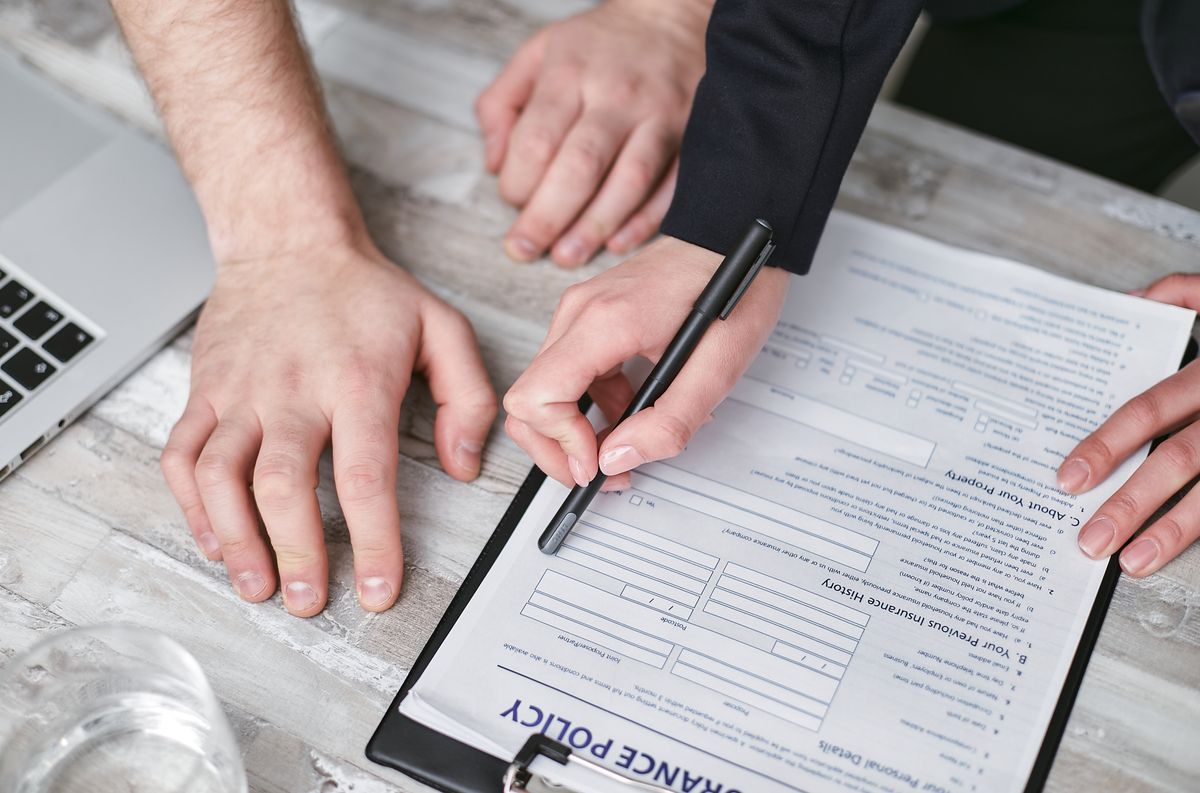
Your ability to earn income is likely your biggest financial asset. Disability insurance replaces part of your income if illness or injury stops you from working. It is often overlooked by young workers, yet a long disability can be more financially damaging than many other risks.
How disability insurance works
If you become unable to work because of a covered illness or injury, the policy pays a percentage of your income, often around 50% to 70%, after a waiting period. Payments continue for the benefit period stated in the policy.
Short-term vs long-term disability
| Short-term disability | Long-term disability | |
|---|---|---|
| Waiting period | A few days to two weeks | Often 90 days or more |
| Benefit length | A few months | Years, sometimes to retirement age |
| Typical source | Employer or state programs | Employer or individual policy |
Key policy terms
- Own-occupation vs any-occupation: own-occupation pays if you cannot do your specific job; any-occupation pays only if you cannot do any suitable job. Own-occupation is stronger and more expensive.
- Elimination period: how long you wait before benefits start.
- Benefit period: how long benefits last.
- Non-cancellable or guaranteed renewable: protects you from cancellation or price increases.
- Residual benefits: partial payments if you can work only part time.
Employer vs individual policies
Many employers offer group disability cover, which is cheap or free. However, it may replace a limited share of income, may be taxable if your employer pays the premiums, and usually ends if you leave the job. Individual policies cost more but follow you between jobs and can be tailored.
Who needs disability insurance most?
- Self-employed people and freelancers with no employer cover.
- People with dependants or a mortgage.
- Those in physically demanding jobs.
- Professionals whose income depends on specialised skills.
How much does it cost?
Long-term disability insurance often costs roughly 1% to 3% of your annual income, depending on age, health, job and policy features. Buying younger and healthier usually means lower premiums. Estimate your full insurance budget with our Insurance Cost Estimator.
Your emergency fund still matters
Because long-term policies often have a waiting period of three months or more, an emergency fund covering several months of expenses bridges the gap. Plan yours with our Savings Goal Calculator.
Country notes
- US: Social Security Disability Insurance exists but has strict eligibility and can take time.
- UK: income protection insurance is the closest equivalent; state benefits are limited.
- Canada: employment insurance sickness benefits are short term; long-term cover often comes from group or individual plans.
- Nigeria: some employers and insurers offer group life and disability cover; check what your employer provides and ask about personal accident policies.
How much disability insurance do you need?
To size your disability insurance, start with your essential monthly expenses:
- Add up rent or mortgage, food, utilities, transport, insurance and minimum debt payments.
- Check what your employer’s policy already covers, if anything.
- Find the gap between your essentials and existing benefits.
- Choose a benefit amount and waiting period that close that gap.
For example, if your essentials are $2,500 a month and your employer covers $1,500, you might look for an individual policy covering the remaining $1,000. A longer waiting period lowers premiums if your emergency fund can cover the first few months.
For official, up-to-date guidance, see the U.S. Social Security Administration disability benefits page.
Frequently asked questions
Is disability insurance worth it in your 20s?
If you rely on your income and have no large savings, it can be valuable, and premiums are usually lower when you are young.
Are disability insurance benefits taxable?
It depends on who paid the premiums and local rules. In the US, benefits from employer-paid policies are often taxable.
Does health insurance cover lost income?
No. Health insurance covers medical bills; disability insurance replaces income.
Disability insurance: key takeaways
- Disability insurance replaces part of your income if you cannot work.
- Long-term cover protects against the biggest risks.
- Employer cover helps but often ends when you leave.
- Keep an emergency fund to cover the waiting period.
Last reviewed: October 2026. This article is general education, not personal financial, tax or legal advice. Rules, rates and limits change, so check official sources or speak to a qualified professional before making decisions. See our Financial Disclaimer.