

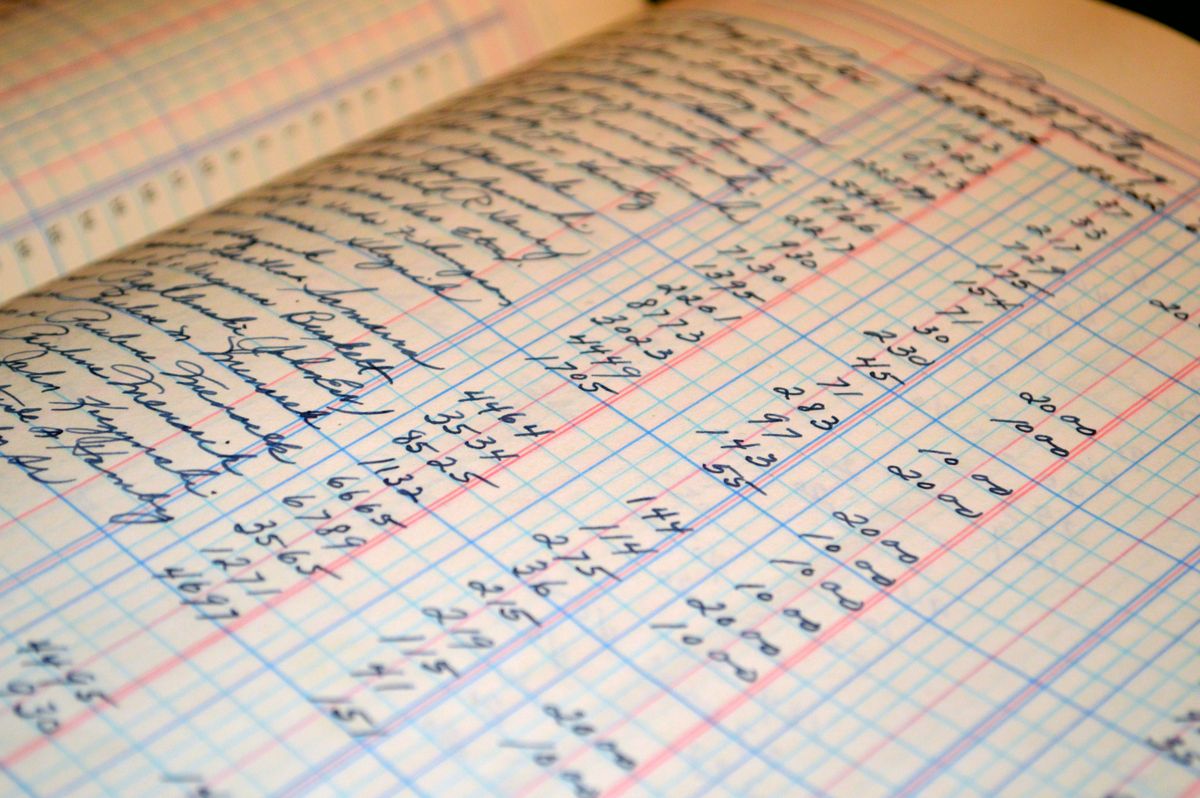
Good records are the difference between knowing your business is profitable and hoping it is. Bookkeeping for small business owners does not need to be complicated. A simple, consistent system will save you time at tax season and help you make better decisions.
What bookkeeping covers
- Recording every sale and payment received.
- Recording every business expense.
- Keeping receipts and invoices.
- Reconciling your records with your bank statements.
- Producing simple reports: profit and loss, and cash flow.
Cash vs accrual basis
| Cash basis | Accrual basis | |
|---|---|---|
| When income is recorded | When money arrives | When you earn it, even if unpaid |
| When expenses are recorded | When you pay | When you incur them |
| Best for | Most freelancers and small businesses | Larger businesses and inventory-heavy firms |
Check your country’s rules; many small businesses can use the simpler cash basis.
A simple bookkeeping for small business system
- Open a separate business bank account. This alone makes bookkeeping far easier.
- Choose a tool: a spreadsheet works at first; accounting software helps as you grow.
- Set categories: sales, software, equipment, marketing, travel, fees, contractors.
- Capture receipts immediately: snap a photo and store it in one folder.
- Record weekly: 15 to 30 minutes every Friday.
- Reconcile monthly: match records to bank statements.
- Review monthly reports: revenue, expenses, profit and cash on hand.
Track income streams
If you have several sources, such as products, services and affiliate income, track them separately to see what is worth your time. Our Side Hustle Income Tracker makes this simple.
Set aside tax as you go
Move a percentage of every payment into a tax account, often 25% to 30% for self-employed people. Estimate your bill with our Freelance Tax Estimator.
How long to keep records
Requirements differ by country, but many tax authorities expect you to keep business records for several years, often five to seven. Store digital copies safely with a backup.
When to hire help
- You spend more than a few hours a month on bookkeeping.
- You hire employees or contractors.
- You sell physical products with inventory.
- You are unsure about tax deductions or registration for sales tax or VAT.
A bookkeeper or accountant can often save more than they cost by catching deductions and avoiding penalties.
Country notes
UK sole traders should follow HMRC record-keeping rules and Making Tax Digital requirements as they apply. Canadian businesses must keep records for the CRA. Nigerian businesses should keep records to support tax filings with the FIRS or state revenue services and CAC annual returns.
Simple bookkeeping categories to start with
Keep bookkeeping for small business manageable by starting with a short list of categories:
| Category | Examples |
|---|---|
| Sales | Product sales, service income |
| Cost of goods | Materials, stock, packaging |
| Software | Design tools, accounting apps, website |
| Marketing | Ads, promotions, printing |
| Fees | Payment processing, platform fees, bank charges |
| Equipment | Laptops, cameras, tools |
| Travel | Mileage, transport, accommodation for work |
You can add more categories later. Consistent categorisation makes tax time faster and shows clearly where your money goes.
For official, up-to-date guidance, see the IRS recordkeeping guide.
Frequently asked questions
Can I do my own bookkeeping?
Yes. Many small businesses start with a spreadsheet or simple software and a weekly routine.
What is the difference between bookkeeping and accounting?
Bookkeeping records transactions; accounting interprets them, prepares tax returns and advises on strategy.
Do I need receipts for small expenses?
It is best practice to keep proof for all business expenses.
Bookkeeping for small business: key takeaways
- Separate business and personal accounts first.
- Record weekly and reconcile monthly.
- Keep receipts and set aside tax as you earn.
- Get professional help as your business grows.
Last reviewed: October 2026. This article is general education, not personal financial, tax or legal advice. Rules, rates and limits change, so check official sources or speak to a qualified professional before making decisions. See our Financial Disclaimer.