

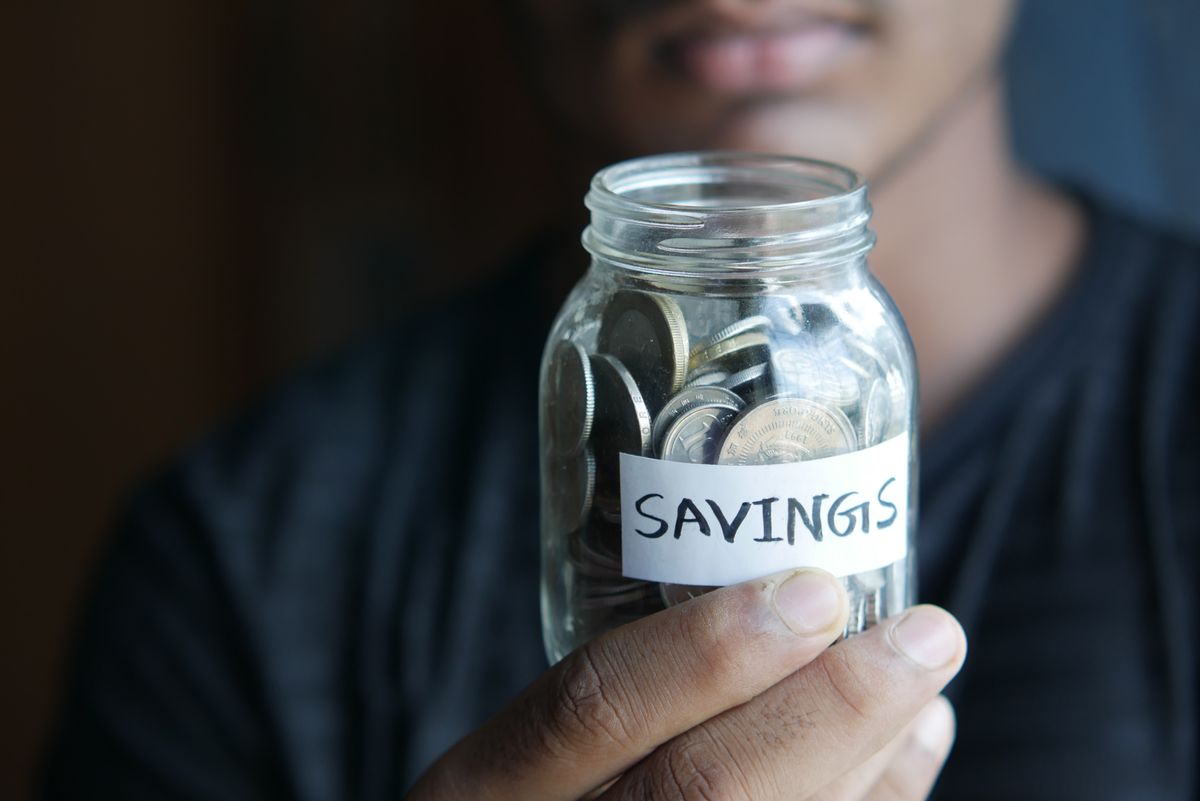
A high-yield savings account is a savings account that pays a much higher interest rate than a standard account at a traditional bank. It is one of the easiest ways to make your emergency fund and short-term savings work harder, without taking stock market risk.
How a high-yield savings account works
You deposit money, and the bank pays you interest, usually calculated daily and paid monthly. Online banks can often pay more than big high-street banks because they have lower costs. In the UK, the equivalent is usually called an easy-access or high-interest savings account; in Canada, a high-interest savings account.
Is it safe?
If the account is with a licensed bank, your deposits are usually protected up to a limit: by the FDIC in the US, the FSCS in the UK and CDIC in Canada. If you use a fintech app, check that your money is held with a protected bank. In Nigeria, deposits at licensed banks are insured by the NDIC up to a limit.
What to use it for
- Your emergency fund of three to six months of expenses.
- Short-term goals, such as a trip, a deposit or a new laptop within the next year or two.
- Money you are saving for annual bills, such as insurance or taxes if you are self-employed.
For goals more than five years away, investing usually beats savings over time, although with more ups and downs.
What to compare
- Interest rate (APY or AER): compare the ongoing rate, not just a temporary bonus.
- Access: how quickly you can withdraw, and whether there are withdrawal limits.
- Fees and minimums: choose an account with no monthly fees.
- Protection: confirm deposit insurance.
- App and support: easy transfers and good service matter when you need your money fast.
How much could you earn?
Use our Savings Goal Calculator to see how interest helps you reach a target. Even a few percentage points can add up over a year, especially on a larger emergency fund.
How much could a high-yield savings account earn you?
Here is a simple example with a $5,000 balance held for one year, before tax:
| Account type | Example APY | Interest after 1 year |
|---|---|---|
| Traditional savings | 0.4% | about $20 |
| High-yield savings | 4.0% | about $204 |
Rates change often, so compare current offers. Add regular deposits and the gap grows every year. Model your own numbers with our Compound Interest Calculator.
How to open a high-yield savings account
- Compare APY, fees, minimum balances and transfer times.
- Check that deposits are protected: FDIC or NCUA insurance in the US, FSCS in the UK, CDIC in Canada, or NDIC in Nigeria.
- Open the account online with your ID and link your checking account.
- Set up an automatic transfer on payday.
- Give the account a name, such as “Emergency fund”, to make it harder to raid.
Interest is usually taxable, so keep a record of what you earn.
Next steps: make your high-yield savings account work harder
Once your account is open, use these habits to get the most out of it.
- Automate a transfer on every payday so saving happens before spending.
- Create separate “buckets” or sub-accounts for goals like emergencies, travel and a car.
- Review your rate every six months and switch if yours falls well below competitors.
- Keep your emergency fund here, and invest money you will not need for five or more years.
- Avoid linking a debit card to the account so you are less tempted to spend it.
A high-yield savings account is not an investment for long-term growth, but it is the ideal home for cash you need to keep safe and accessible. Plan your targets with our Savings Goal Calculator.
Is a high-yield savings account safe?
A high-yield savings account at a regulated, insured bank is one of the safest places for your cash. In the US, FDIC or NCUA insurance protects deposits up to set limits per depositor, per institution. The UK, Canada and Nigeria have similar schemes.
Be careful with fintech apps that are not banks themselves. Check whether your money is held at an insured partner bank and how the protection works. And remember that the rate on a high-yield account can change at any time.
For official, up-to-date guidance, see the FDIC.
Frequently asked questions
Can I lose money in a high-yield savings account?
Not from market movements. Your balance does not go down unless you withdraw or pay fees. Inflation can reduce what your money can buy if the interest rate is lower than inflation.
Is interest on savings taxable?
Often yes. In the US, interest is taxable income. In the UK, the Personal Savings Allowance covers some interest tax-free, and cash ISAs are fully tax-free. Canadians can shelter interest from tax in a TFSA.
Should I keep all my savings in one account?
Keep your emergency fund in one easy-access account. If your savings exceed the deposit protection limit, consider spreading them across banks.
Is interest from a high-yield savings account taxed?
Usually yes. In the US it is taxed as ordinary income. The UK has a Personal Savings Allowance, and Canadians can shelter interest in a TFSA.
High-yield savings account: key takeaways
- It pays more interest than a standard savings account.
- It is ideal for emergency funds and short-term goals.
- Check deposit protection and compare ongoing rates.
- Invest money you will not need for five or more years.
Last reviewed: September 2026. This article is general education, not personal financial, tax or legal advice. Rules, rates and limits change, so confirm the latest details with official sources before making a decision. See our Financial Disclaimer.