

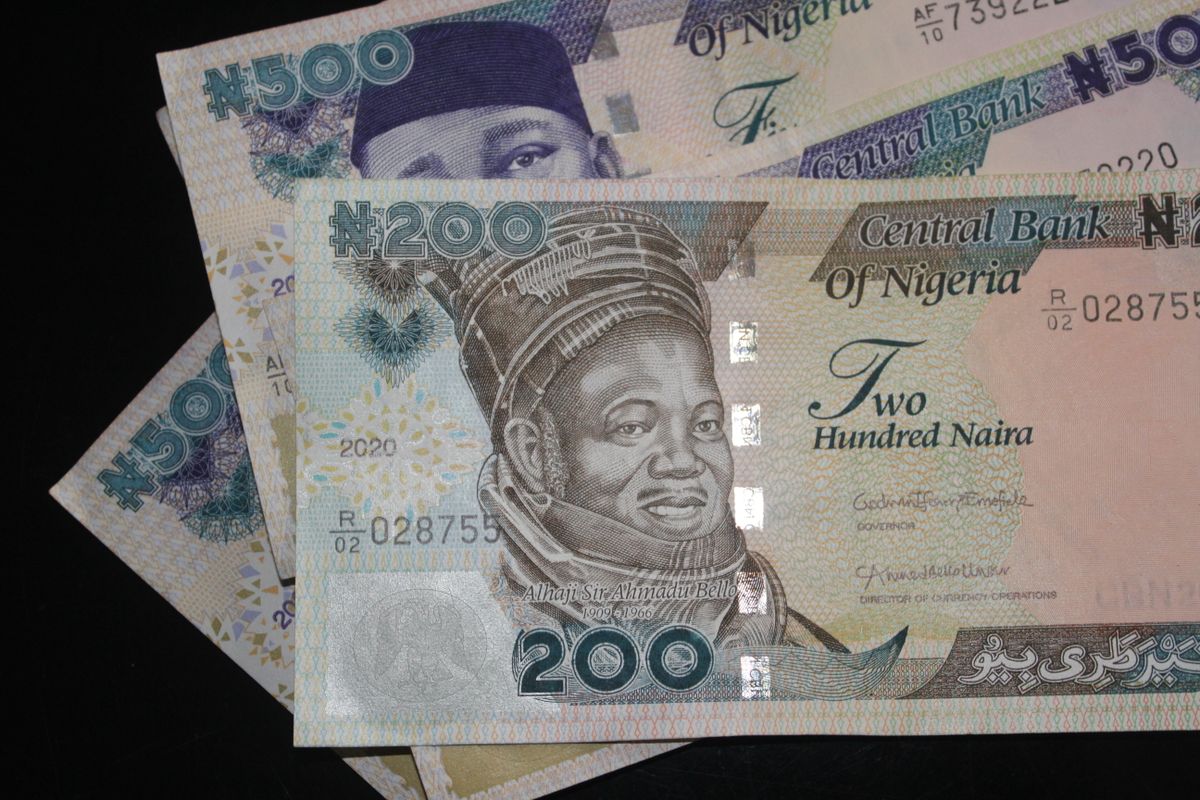
Treasury bills in Nigeria are short-term government securities issued by the Central Bank of Nigeria on behalf of the Federal Government. They are among the lowest-risk naira investments, making them popular with savers who want returns above a regular savings account without taking stock-market risk.
How treasury bills work
T-bills are sold at a discount to their face value. For example, you might pay ₦90,000 today for a bill that pays ₦100,000 at maturity. The difference is your return. Because the interest is effectively paid upfront as a discount, the true yield is slightly higher than the stated discount rate.
Tenors
| Tenor | Approximate length | Best for |
|---|---|---|
| 91-day | About 3 months | Short-term parking of cash |
| 182-day | About 6 months | Medium-term savings |
| 364-day | About 1 year | Annual goals like rent |
Primary vs secondary market
- Primary market: bills are sold at regular CBN auctions through banks, stockbrokers and primary dealers. Rates are set by the auction.
- Secondary market: you buy existing bills from other investors through banks or brokers, often with flexible amounts and dates.
How to buy treasury bills in Nigeria
- Choose a bank, licensed stockbroker or investment platform that offers T-bills.
- Complete KYC with your BVN, NIN and valid ID.
- Check the minimum investment and fees, which vary by provider.
- Pick a tenor and submit your bid or order before the deadline.
- Receive your allocation and hold until maturity, or roll over into a new bill.
Example
Suppose you invest in a 364-day bill at a discount rate of 18% with a face value of ₦1,000,000. You would pay roughly ₦820,000 and receive ₦1,000,000 at maturity, earning about ₦180,000. Rates change with each auction, so always check current figures. Set savings targets for your next rent or goal with our Savings Goal Calculator.
Benefits
- Backed by the Federal Government.
- Predictable returns if held to maturity.
- Short terms that suit planned expenses.
- Often higher yields than standard savings accounts.
Risks and limitations
- Inflation risk: if inflation is higher than your yield, your real return can be negative.
- Liquidity: selling before maturity on the secondary market may mean a lower price.
- Reinvestment risk: rates may be lower when your bill matures.
- Minimums: some providers set high minimums for primary auctions.
Treasury bills vs other options
| Option | Access | Typical use |
|---|---|---|
| Treasury bills | At maturity | Short-term planned goals |
| Money market funds | Usually a few days | Emergency fund and flexible savings |
| FGN savings bonds | 2–3 years | Steady quarterly interest |
| Stocks on NGX | Any trading day | Long-term growth |
Many money market funds invest heavily in T-bills, so they can be an easier way to get similar exposure with lower minimums.
Building a simple T-bill ladder
Split your savings into several bills that mature at different times, for example every three months. This gives you regular access to cash while keeping most of your money earning. When each bill matures, either use the money or roll it into a new bill.
Treasury bills in Nigeria vs savings accounts: an example
Suppose you have ₦500,000 for rent due in a year. Here is how treasury bills in Nigeria might compare with a regular savings account, using illustrative rates:
| Option | Illustrative annual return | Approx. after one year |
|---|---|---|
| Regular savings account | Low single digits | About ₦520,000 |
| 364-day treasury bill | Higher, based on auction rates | About ₦580,000 or more |
Actual rates change with each auction and inflation affects real returns, so always check current figures. For money you need on a fixed date, matching the T-bill tenor to that date can be a sensible, low-risk choice.
For official, up-to-date guidance, see the Central Bank of Nigeria.
Frequently asked questions
Are treasury bills in Nigeria safe?
They are backed by the Federal Government and considered low risk in naira terms, though inflation can reduce real returns.
What is the minimum to invest in treasury bills?
Minimums vary by bank or broker. Money market funds offer T-bill exposure with lower minimums.
Can I withdraw treasury bills before maturity?
You may be able to sell on the secondary market through your provider, possibly at a different price.
Learn more in our guide to personal finance in Nigeria.
Treasury bills in Nigeria: key takeaways
- T-bills are short-term, government-backed naira investments.
- They are sold at a discount and pay face value at maturity.
- Choose 91, 182 or 364-day tenors to match your goals.
- Compare yields with inflation and money market funds.
Last reviewed: October 2026. This article is general education, not personal financial, tax or legal advice. Rules, rates and limits change, so check official sources or speak to a qualified professional before making decisions. See our Financial Disclaimer.