

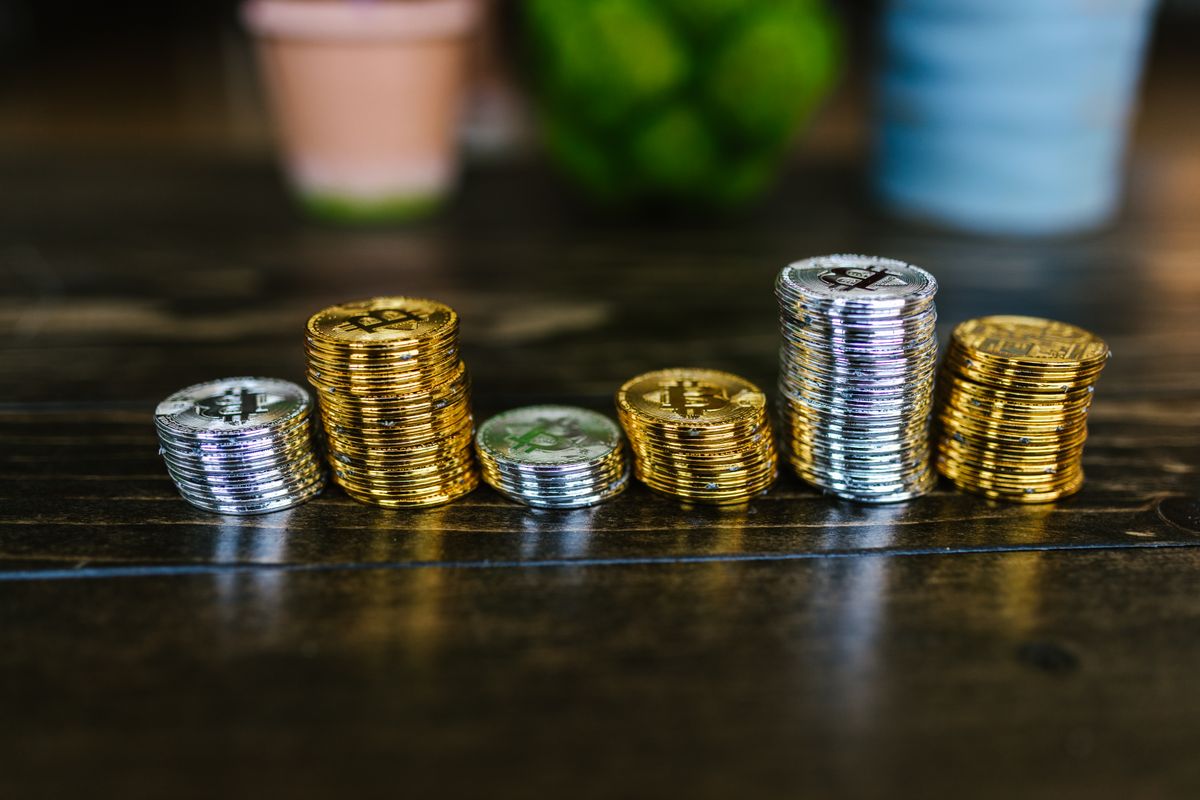
Stablecoins are cryptocurrencies designed to keep a steady value, usually pegged to a currency like the US dollar. They combine some of the speed of crypto with less price volatility, which is why they are widely used for trading, payments and cross-border transfers, including by many people in Nigeria.
How stablecoins keep their value
| Type | How it works | Main risk |
|---|---|---|
| Fiat-backed | Backed by cash and short-term government securities held by the issuer | Issuer transparency and reserves |
| Crypto-backed | Backed by other crypto, usually over-collateralised | Collateral value can crash |
| Algorithmic | Uses code and incentives to manage supply | Can fail spectacularly, as some have |
| Commodity-backed | Backed by assets like gold | Custody and audit quality |
Why people use stablecoins
- Moving money between crypto exchanges quickly.
- Sending money across borders, sometimes faster than traditional transfers.
- Holding a dollar-linked value in countries with weak local currencies.
- Paying for goods and services where accepted.
The risks
- De-pegging: a stablecoin can fall below its target value if confidence or reserves fail.
- Issuer risk: you rely on the company holding reserves to be honest and solvent.
- No deposit insurance: stablecoins are generally not protected like bank deposits.
- Platform risk: exchanges can freeze withdrawals or fail.
- Regulation: rules are changing in the US, UK, EU, Canada and Nigeria.
- Scams: fake tokens can copy the names of well-known stablecoins.
Stablecoins vs a bank account
A regulated bank account offers deposit protection, consumer rights and interest. Stablecoins can be faster for some transfers but carry issuer and platform risks. For most people, stablecoins should not replace an insured bank or savings account for core savings. Keep your emergency fund in a protected account; plan it with our Savings Goal Calculator.
Stablecoins in Nigeria
Many Nigerians use dollar-pegged stablecoins to receive international payments or protect against naira depreciation. If you do, use platforms registered with SEC Nigeria, beware of P2P fraud, keep records for tax and avoid holding all your savings in one token or on one platform. Compare with regulated alternatives such as domiciliary accounts and dollar mutual funds.
How to evaluate a stablecoin
- Check what backs it and whether reserves are independently attested.
- Look at its track record during market stress.
- Confirm the exact token contract address on official sites.
- Use regulated platforms to buy, hold or sell.
Track trades and fees with our Crypto Profit Calculator.
Taxes
Swapping, selling or spending stablecoins can be a taxable event in many countries, even if the value barely changed. Keep records of every transaction; read our guide to crypto taxes.
Risk warning: crypto assets, including stablecoins, can lose value. Only use amounts you understand and can afford to lose.
Safer ways to use stablecoins
If you choose to use stablecoins, these habits reduce your risk:
- Use well-established stablecoins with transparent reserves.
- Buy and sell through regulated platforms.
- Double-check the network and address before sending.
- Keep only what you need for transfers or trading, not your whole savings.
- Record every transaction for tax.
- Be sceptical of platforms offering very high yields on stablecoin deposits.
Stablecoins are tools, not savings accounts. Treat them as a convenient way to move value, while keeping your core savings in protected accounts.
For official, up-to-date guidance, see Investor.gov’s crypto asset alerts.
Frequently asked questions
Are stablecoins safe?
They are less volatile than most crypto, but they carry issuer, platform and regulatory risks and are not protected like bank deposits.
Can stablecoins lose their peg?
Yes. Several stablecoins have temporarily or permanently fallen below their target value.
Do stablecoins earn interest?
Some platforms offer yields, but these carry additional risks. Be cautious of high advertised returns.
Stablecoins: key takeaways
- Stablecoins aim to track a currency like the US dollar.
- They are useful for transfers and trading but carry real risks.
- They are not a replacement for an insured bank account.
- Check backing, regulation and token addresses carefully.
Last reviewed: October 2026. This article is general education, not personal financial, tax or legal advice. Rules, rates and limits change, so check official sources or speak to a qualified professional before making decisions. See our Financial Disclaimer.