

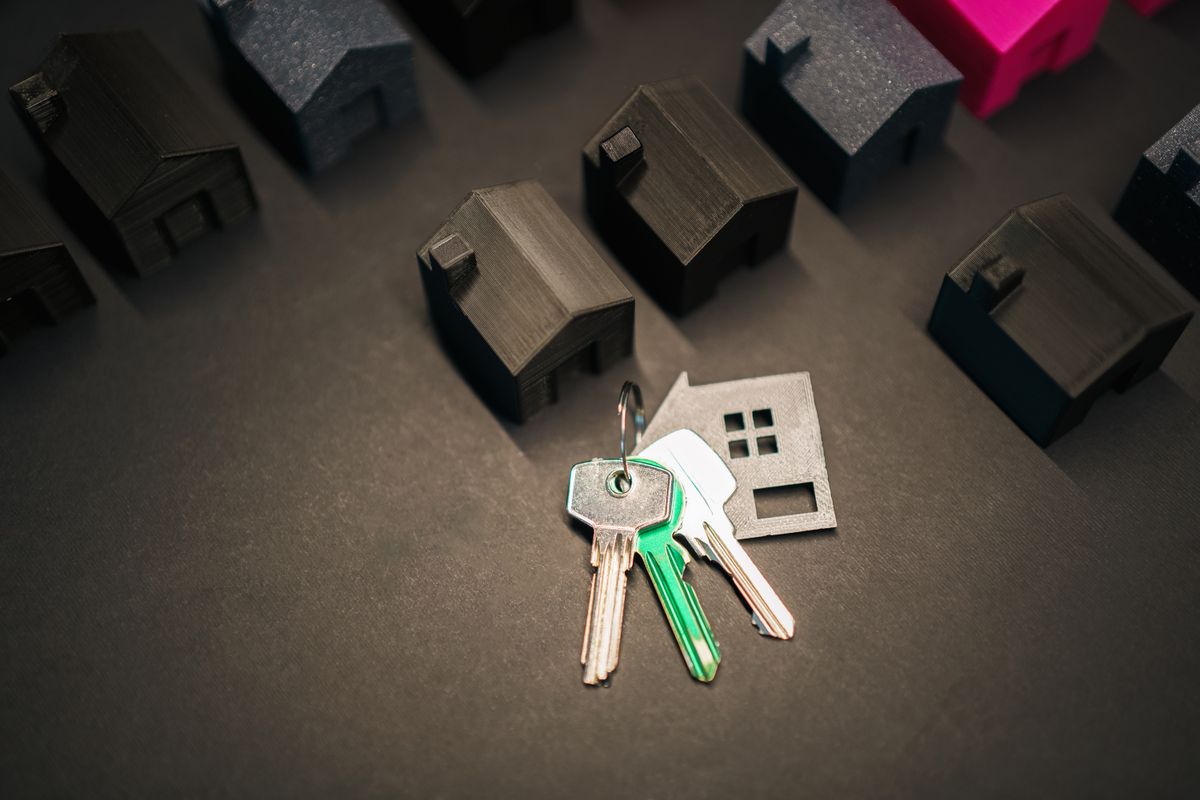
With high home prices and mortgage rates, the rent vs buy question is harder than ever for young adults. Buying is not always better, and renting is not “throwing money away”. The right choice depends on how long you will stay, your savings and the local market.
The true cost of owning
Your mortgage payment is only part of the cost of owning a home. You also pay:
- Property taxes and homeowners insurance.
- Maintenance and repairs, often estimated at 1% or more of the home value each year.
- HOA or service charges in some buildings.
- Closing costs when you buy, and selling costs when you move.
- Mortgage insurance if your down payment is small.
Part of each payment is interest, which you never get back, just like rent.
The true cost of renting
Renting costs your monthly rent plus renters insurance. But renters keep their down payment money, which can be invested. Renting also offers flexibility to move for a job and no surprise repair bills.
The break-even timeline
Because buying and selling are expensive, buying usually only beats renting if you stay long enough, often five years or more. The exact break-even point depends on prices, rents, mortgage rates and how fast home values rise. Run your own numbers with our Rent vs Buy Calculator.
Signs you may be ready to buy
- You plan to stay in the area for at least five years.
- You have a down payment plus closing costs saved, and still have an emergency fund.
- Your total housing payment fits comfortably within your budget.
- You have stable income and a good credit score.
Signs renting is the smarter move for now
- You may move for work or study within a few years.
- Buying would drain all your savings.
- Rents in your area are much lower than the cost of owning a similar home.
Country notes
In the UK, first-time buyers may pay less or no Stamp Duty below a threshold. Canadians can use the FHSA to save tax-free for a first home. In the US, look into first-time buyer programs in your state. Estimate payments with our Mortgage Calculator.
A rent vs buy example over five years
Consider a $350,000 home versus renting a similar place for $1,900 a month. These figures are illustrative only.
| Cost over 5 years | Buying | Renting |
|---|---|---|
| Upfront costs | $35,000 down + about $10,000 closing | Security deposit |
| Housing payments | Mortgage, tax and insurance of about $2,600/month | Rent rising 3% a year |
| Maintenance | About $3,500 a year | Landlord pays |
| Selling costs | About 6% of the sale price | None |
| Wealth built | Home equity from principal paid and any price growth | Investment growth on the down payment and monthly savings |
Whether buying wins depends on price growth, interest rates and what the renter does with the money saved. If the renter invests the difference consistently, renting can come out ahead in some markets. Run your own scenario in our Rent vs Buy Calculator.
The hidden benefits of each
Buying: stable payments on a fixed-rate mortgage, the freedom to renovate, and forced savings as you pay down principal. Renting: flexibility to move for better jobs, predictable costs, and the ability to invest in a diversified portfolio instead of one property in one location.
How to get ready to buy, even if you rent now
- Build your credit score so you qualify for better rates. Test actions with our Credit Score Simulator.
- Save your down payment in a high-yield savings account, or an FHSA in Canada or Lifetime ISA in the UK if eligible.
- Pay down high-interest debt to improve your debt-to-income ratio.
- Get pre-approved so you know your real budget before viewing homes.
- Keep an emergency fund separate from your down payment.
Set a realistic down-payment timeline with our Savings Goal Calculator.
Next steps: make your rent vs buy decision
Use this checklist to reach a confident decision.
- Estimate how long you plan to stay in the area.
- Get real rent prices and home prices for similar properties nearby.
- Get a mortgage pre-approval to learn your real rate and budget.
- Run both scenarios in our Rent vs Buy Calculator.
- Check that buying would still leave you with an emergency fund.
- Talk to people who recently bought in your area about hidden costs.
Remember that renting now does not mean renting forever. Many people rent while building savings and credit, then buy when the numbers and life plans line up.
For official, up-to-date guidance, see the CFPB’s home-buying guide.
Frequently asked questions
Is renting really throwing money away?
No. Rent pays for housing and flexibility. Homeowners also pay costs they never get back, such as interest, taxes and maintenance.
How long do I need to stay to make buying worth it?
Often five years or more, but it depends on your local market. Use a rent vs buy calculator with real numbers.
Should I wait for prices or rates to drop?
Nobody can reliably predict the market. Buy when it fits your life and budget, not based on forecasts.
What percentage of income should go to housing?
A common guideline is no more than about 30% of gross income, though many lenders allow more. Staying lower gives you room to save.
Rent vs buy: key takeaways
- Owning costs more than the mortgage payment.
- Renting keeps your savings flexible and invested.
- Buying usually wins only if you stay five years or more.
- Run your own numbers before deciding.
Last reviewed: September 2026. This article is general education, not personal financial, tax or legal advice. Rules, rates and limits change, so check official sources or speak to a qualified professional before making decisions. See our Financial Disclaimer.