

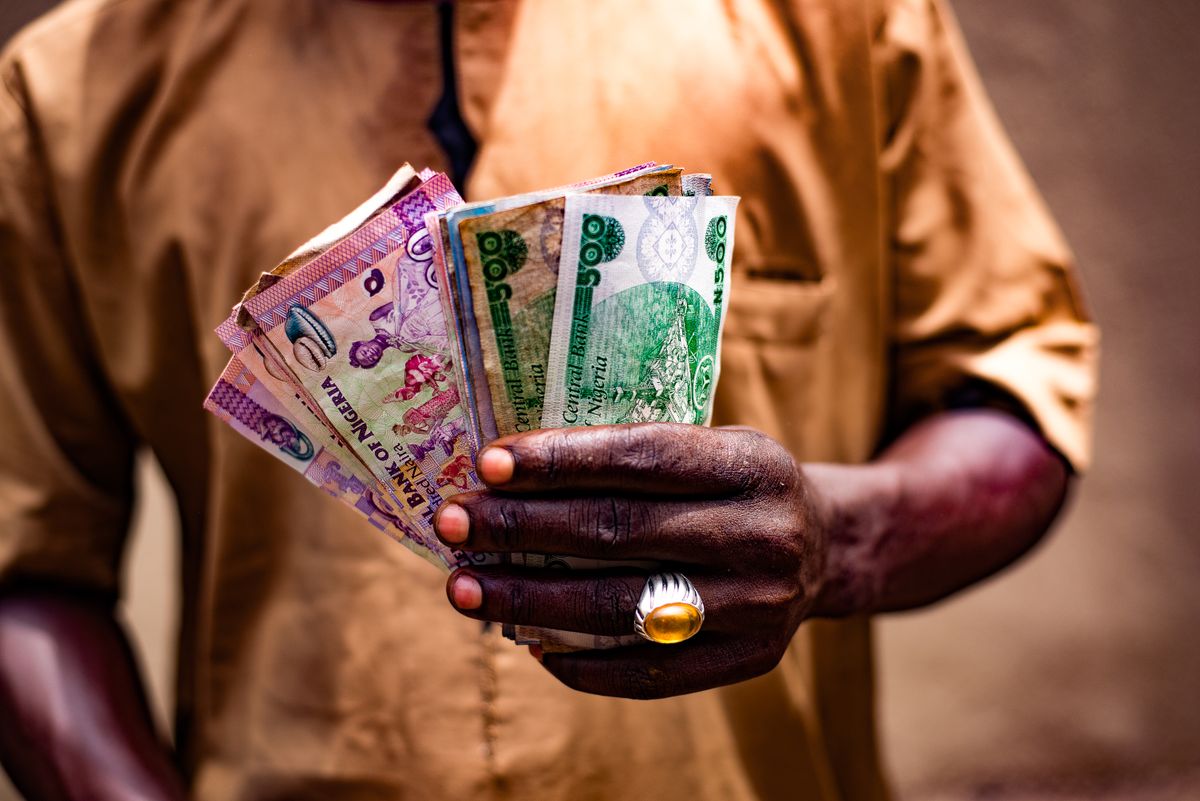
Trying to save money in Nigeria can feel impossible when prices rise faster than salaries. But saving is still worth it, as long as you save the right way. The goal is not just to put money aside, but to protect it from inflation and keep it safe from scams.
1. Know your real monthly costs
Write down your fixed costs, such as rent, transport, data, food and family support, and your variable spending. Many Nigerians support relatives, so include that honestly. Our Budget Calculator works in naira; just enter your figures.
2. Pay yourself first
As soon as your salary lands, move a fixed amount to savings before you spend. Even ₦5,000 or ₦10,000 a month builds the habit. Automating the transfer through your bank or a savings app makes it easier.
3. Build an emergency fund
Aim for three months of essential expenses, kept somewhere safe and easy to reach, such as a money market fund with a licensed fund manager. This protects you from borrowing at high interest when something goes wrong.
4. Protect your savings from inflation
Money in a regular savings account can lose value quickly. Options that aim to keep pace include:
- Money market funds: low-risk funds that invest in Treasury bills and short-term deposits.
- Treasury bills and FGN savings bonds: government-backed options available in small amounts.
- Dollar savings or dollar funds: help protect part of your savings from naira depreciation.
Read our guide to personal finance in Nigeria for more options.
5. Cut costs that add up
- Buy food staples in bulk with friends or family.
- Compare data plans and switch if you are overpaying.
- Reduce fuel costs by combining trips or sharing rides.
- Cancel subscriptions and services you rarely use.
6. Avoid “savings” that are really scams
Be very careful with schemes promising fixed high monthly returns, rewards for recruiting others or “doubling” your money. Check that any investment platform is registered with the Securities and Exchange Commission and that savings apps partner with licensed banks or fund managers.
7. Grow your income
Saving is easier when income grows. Consider a side hustle, freelancing for clients paid in dollars, or learning a skill that raises your salary. Put a fixed share of every extra naira into savings.
A sample monthly savings plan in naira
Say you earn ₦300,000 a month after tax. A realistic plan could look like this:
| Category | Amount |
|---|---|
| Rent (set aside monthly for annual rent) | ₦75,000 |
| Food and household | ₦70,000 |
| Transport | ₦35,000 |
| Data, airtime and bills | ₦20,000 |
| Family support | ₦25,000 |
| Personal and fun | ₦20,000 |
| Emergency savings | ₦30,000 |
| Investing | ₦25,000 |
Adjust it to your city and income with our Budget Calculator.
Protect your savings from inflation
Cash sitting in a regular account loses value when inflation is high. Keep only your short-term buffer in instant-access savings. Consider money market funds, FGN savings bonds or treasury bills from regulated providers for money you will not need for several months. For long-term goals, regulated funds can add growth. Always check that platforms are licensed by the CBN or SEC Nigeria, and avoid anyone promising fixed high monthly returns.
Plan for black tax and annual rent
Many young Nigerians support family members and pay rent a year upfront. Build these into your plan rather than treating them as surprises: set a fixed monthly amount for family support and save for rent monthly in a separate account.
Next steps: start saving this month
Turn these ideas into action with a simple plan.
- Pick one savings goal, such as a ₦200,000 emergency fund.
- Open a separate savings account or money market fund for it.
- Set up an automatic transfer on payday, even if it is small.
- Cut one recurring expense, such as an unused subscription or data plan you do not need.
- Review your progress at the end of every month and increase the amount when your income rises.
Track your target and timeline with our Savings Goal Calculator.
For official, up-to-date guidance, see the Central Bank of Nigeria.
Frequently asked questions
What is the best way to save money in Nigeria?
A combination works best: automate savings on payday, keep an emergency fund in a money market fund, and put some long-term savings in dollar assets or government securities.
Are savings apps safe in Nigeria?
Well-established apps that partner with licensed banks or SEC-registered fund managers are generally safer. Check licensing, reviews and withdrawal history before saving large amounts.
How much should I save each month?
Start with what you can manage consistently, even 5% to 10% of income, and increase it whenever your income rises.
How much should I save monthly in Nigeria?
Aim for at least 10% to 20% of your income, starting smaller if needed. Consistency matters more than the amount.
How to save money in Nigeria: key takeaways
- Pay yourself first and automate your savings.
- Keep an emergency fund in a low-risk, accessible fund.
- Protect long-term savings from inflation and depreciation.
- Avoid schemes that promise guaranteed high returns.
Last reviewed: September 2026. This article is general education, not personal financial, tax or legal advice. Rules, rates and limits change, so confirm the latest details with official sources before making a decision. See our Financial Disclaimer.