

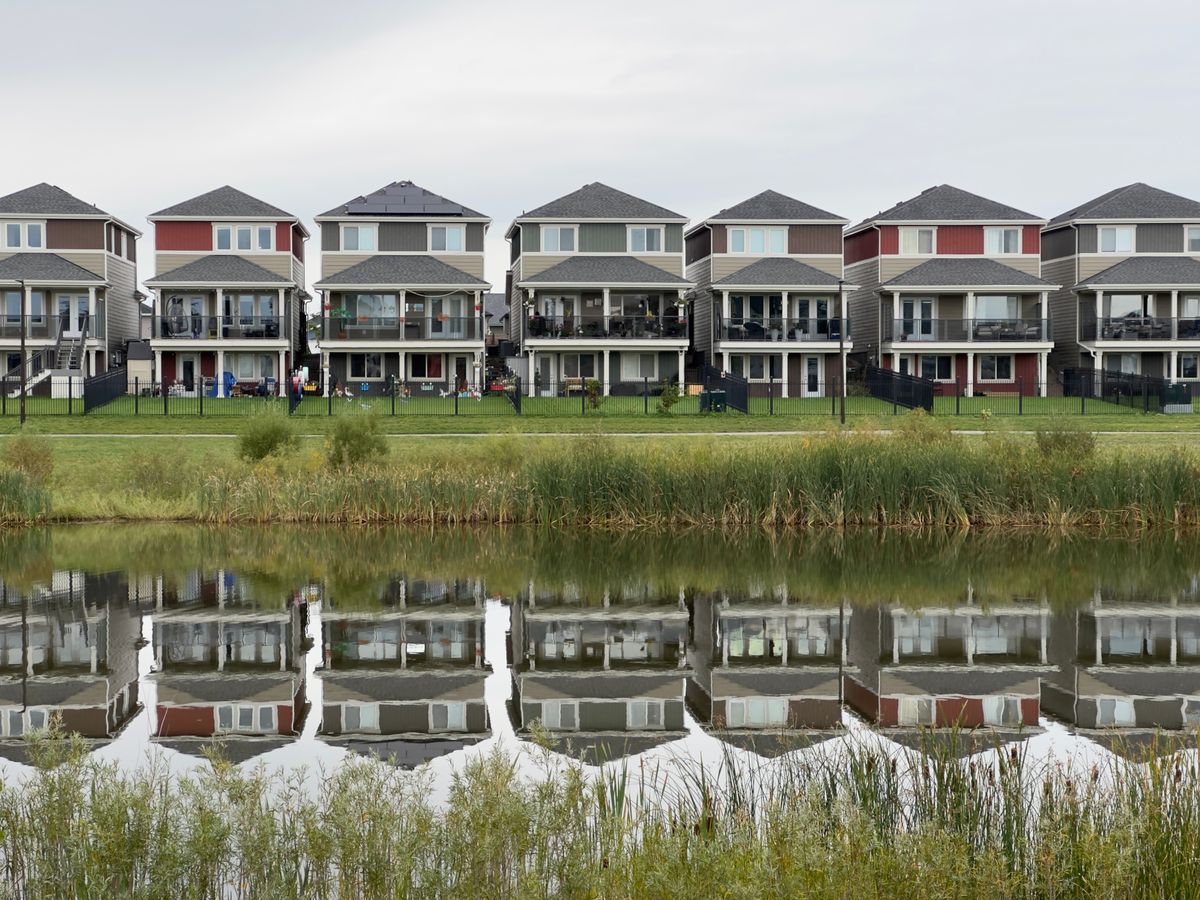
Buying a home is usually the biggest purchase of your life, so protecting it matters. Homeowners insurance covers damage to your home and belongings and protects you if someone is injured on your property. If you have a mortgage, your lender will almost certainly require it.
What homeowners insurance typically covers
| Coverage | What it protects |
|---|---|
| Dwelling | The structure of your home, such as walls, roof and built-in systems |
| Other structures | Garages, fences and sheds |
| Personal property | Furniture, electronics and clothing |
| Liability | Injuries to others or damage you cause |
| Loss of use | Temporary housing if your home becomes unlivable after a covered event |
Common exclusions
- Floods: usually need a separate flood policy.
- Earthquakes: often a separate policy or endorsement.
- Wear and tear and poor maintenance.
- Pest damage.
- High-value items above sub-limits unless added separately.
Replacement cost vs actual cash value
Replacement cost pays what it would cost to rebuild or replace items new. Actual cash value pays replacement cost minus depreciation, which can leave you well short. For both your home and belongings, replacement cost is usually the better choice.
How much coverage do you need?
Your dwelling coverage should reflect the cost to rebuild your home, not its market price, which includes land. Ask your insurer for a rebuild estimate and update it as construction costs rise. For belongings, create a home inventory, as explained in our renters insurance guide.
Understanding deductibles
Your deductible is what you pay before insurance pays. A higher deductible lowers your premium but means more out of pocket when you claim. Keep at least your deductible amount in your emergency fund. Some areas have separate, percentage-based deductibles for storms or hurricanes.
How to lower your homeowners insurance premium
- Compare quotes from several insurers every year or two.
- Bundle home and car insurance.
- Install smoke detectors, security systems and water leak sensors.
- Raise your deductible if you have savings.
- Maintain a good claims history and, in some places, good credit.
- Update your roof and electrical systems where needed.
Estimate your full insurance budget with our Insurance Cost Estimator.
Homeowners insurance and your mortgage
Many lenders collect insurance premiums through an escrow account as part of your monthly payment. Include insurance in your payment estimate with our Mortgage Calculator.
Country notes
UK homeowners usually buy buildings insurance, often required by lenders, plus contents insurance. Canadians buy home insurance covering the building and contents, with optional overland water coverage in many provinces. In Nigeria, home insurance is less common but available from NAICOM-licensed insurers; fire and burglary cover can protect a significant investment.
Making a claim
- Prevent further damage if safe to do so.
- Photograph and document everything.
- Contact your insurer quickly.
- Keep receipts for temporary repairs and living costs.
- Get repair quotes and keep all correspondence.
Homeowners insurance checklist at renewal
Review your homeowners insurance every year with this checklist:
- ☐ Dwelling coverage still matches current rebuild costs.
- ☐ Belongings inventory is up to date.
- ☐ High-value items are scheduled separately if needed.
- ☐ Liability limits are adequate for your situation.
- ☐ Flood or earthquake cover considered for your area.
- ☐ Deductible still fits your emergency fund.
- ☐ Quotes compared with at least two other insurers.
Renovations, new furniture and rising construction costs can leave you underinsured if you never update your policy. A quick annual review keeps your cover in step with your home.
For official, up-to-date guidance, see the NAIC.
Frequently asked questions
Is homeowners insurance required?
Not by law in most places, but mortgage lenders almost always require it.
Does homeowners insurance cover floods?
Usually not. Flood insurance is typically a separate policy.
What is the difference between homeowners and renters insurance?
Homeowners insurance covers the building and your belongings; renters insurance covers only your belongings and liability.
Homeowners insurance: key takeaways
- It covers your home, belongings, liability and temporary housing.
- Floods and earthquakes usually need separate cover.
- Choose replacement cost and enough dwelling coverage to rebuild.
- Compare quotes, bundle policies and improve home safety to save.
Last reviewed: October 2026. This article is general education, not personal financial, tax or legal advice. Rules, rates and limits change, so check official sources or speak to a qualified professional before making decisions. See our Financial Disclaimer.