

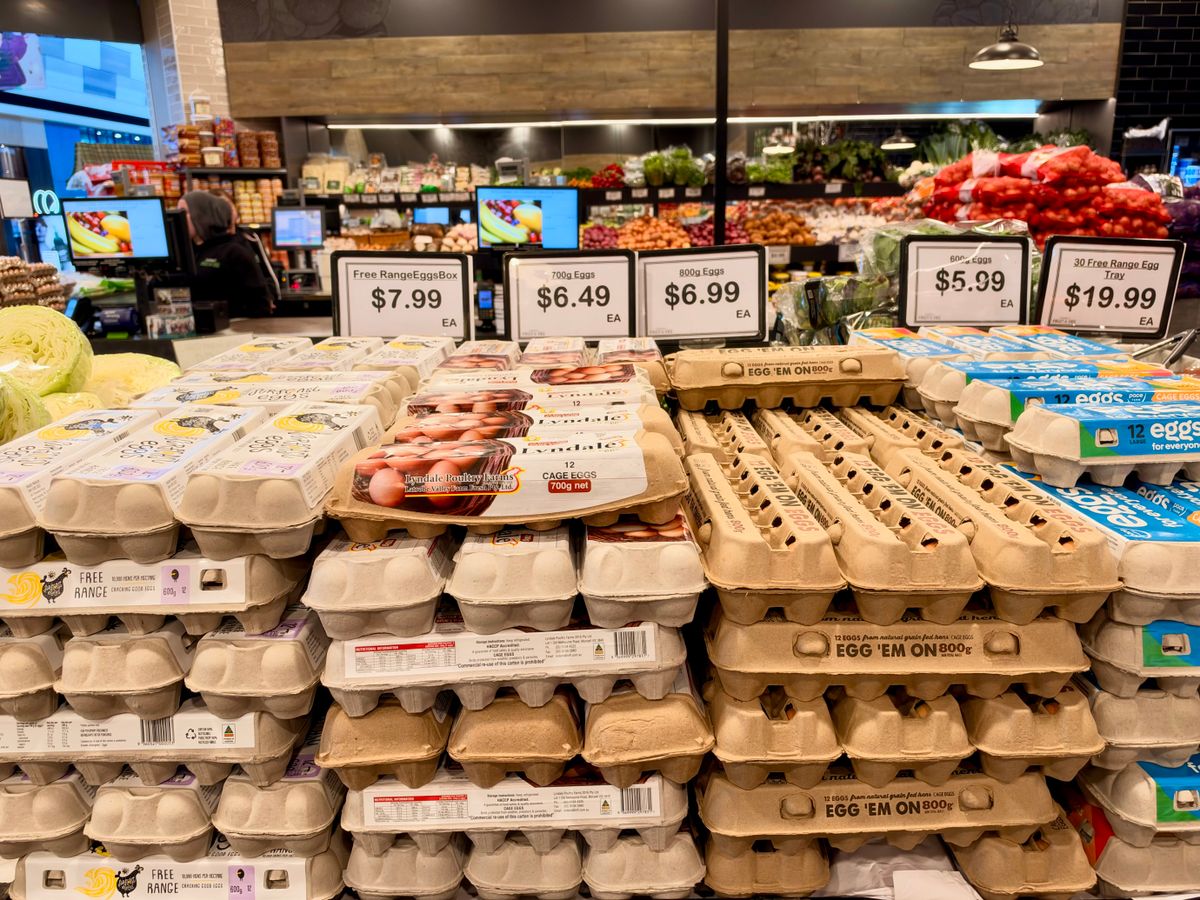
Why does the same basket of groceries cost more every year? The answer is inflation. Understanding what is inflation and how it works helps you make better decisions about saving, borrowing, investing and asking for a raise.
Inflation in simple terms
Inflation is the general rise in prices over time. When inflation is 3%, something that cost $100 last year costs about $103 today. In other words, each unit of money buys a little less than before.
How inflation is measured
Governments track the prices of a basket of common goods and services, such as food, rent, transport and energy. The main measures are the Consumer Price Index (CPI) in the US, UK, Canada and Nigeria. Central banks often target low, stable inflation, around 2% in many advanced economies.
What causes inflation?
- Demand-pull: strong demand for goods and services pushes prices up.
- Cost-push: higher costs for energy, materials or wages are passed on to customers.
- Currency weakness: imported goods cost more when your currency falls, a major factor in Nigeria.
- Money supply and expectations: when people expect prices to rise, they may spend and negotiate wages in ways that push prices higher.
How inflation affects your money
| Area | Effect of higher inflation |
|---|---|
| Cash savings | Lose purchasing power if interest is below inflation |
| Wages | Real pay falls unless raises keep up |
| Fixed-rate debt | Becomes easier to repay in real terms |
| Variable-rate debt | Rates often rise, increasing payments |
| Investments | Stocks and real assets may keep pace over the long term, but can be volatile |
Real vs nominal returns
If your savings account pays 4% and inflation is 3%, your real return is about 1%. If inflation is 6%, you are losing about 2% of purchasing power each year. This is why it matters to compare interest rates with inflation, not just look at the headline rate. See how real growth compounds with our Compound Interest Calculator by using an inflation-adjusted return.
How to protect your money from inflation
- Keep only short-term money in cash, ideally in a high-yield account.
- Invest long-term money in diversified assets that have historically outpaced inflation over time.
- Consider inflation-linked bonds where available, such as TIPS in the US or index-linked gilts in the UK.
- Negotiate your pay to keep up with rising costs.
- Review your budget regularly as prices change. Update yours with our Budget Calculator.
Inflation in Nigeria
Nigeria has experienced periods of high inflation, driven by currency depreciation, food prices and energy costs. For Nigerians, protecting savings may include money market funds, treasury bills, diversified investments and some foreign-currency assets through regulated providers. Avoid schemes promising guaranteed high returns, which often exploit inflation fears.
Is some inflation good?
Low, stable inflation is considered healthy because it encourages spending and investment and gives central banks room to manage the economy. Deflation, when prices fall, can cause people to delay purchases and hurt growth. High or unpredictable inflation is the real problem, because it erodes savings and makes planning difficult.
How inflation affects your financial plan
Understanding what is inflation changes how you plan for the future:
- Retirement goals: $1 million in 30 years will buy far less than it does today, so plan in today’s money using inflation-adjusted returns.
- Emergency fund: review your target every year as living costs rise.
- Salary: a 3% raise with 4% inflation is a real pay cut.
- Debt: fixed-rate loans become easier to repay over time; variable-rate loans may get more expensive.
- Big purchases: prices for homes and cars tend to rise, so saving targets should increase too.
A useful habit is to review your budget, savings targets and pay every January with the latest inflation figures in mind. Adjust contributions upward so your plan keeps pace with rising prices.
For official, up-to-date guidance, see the U.S. Bureau of Labor Statistics CPI data.
Frequently asked questions
What is a normal inflation rate?
Many central banks target about 2% a year, though actual inflation varies with economic conditions.
Does inflation affect my savings?
Yes. If your savings earn less than inflation, your money loses purchasing power over time.
Is debt good during inflation?
Fixed-rate debt becomes easier to repay in real terms, but variable-rate debt may become more expensive as rates rise.
What is inflation: key takeaways
- Inflation is the general rise in prices over time.
- It reduces the purchasing power of cash savings.
- Compare interest and investment returns with inflation.
- Invest long-term money and keep short-term cash in high-yield accounts.
Last reviewed: October 2026. This article is general education, not personal financial, tax or legal advice. Rules, rates and limits change, so check official sources or speak to a qualified professional before making decisions. See our Financial Disclaimer.