

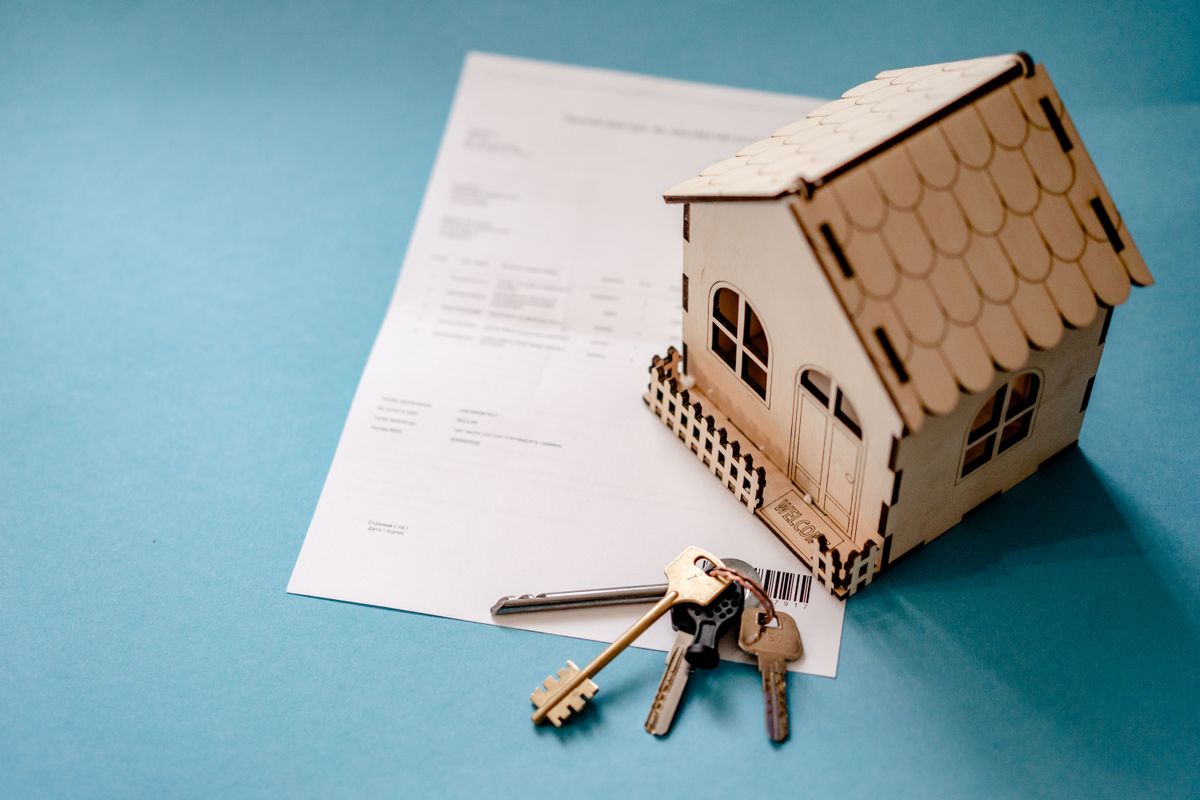
Choosing between an FHA vs conventional loan is one of the first big decisions for US first-time buyers. Both can work with small down payments, but they differ on credit requirements, mortgage insurance and long-term cost.
What is an FHA loan?
An FHA loan is insured by the Federal Housing Administration. It is designed to help buyers with smaller down payments or lower credit scores. With a qualifying credit score, you may be able to put down as little as 3.5%.
What is a conventional loan?
A conventional loan is not backed by a government agency. Many conventional programs for first-time buyers allow down payments as low as 3%, but they generally require stronger credit.
Side-by-side comparison
| FHA loan | Conventional loan | |
|---|---|---|
| Minimum down payment | 3.5% with qualifying credit | As low as 3% on some programs |
| Credit score | More flexible | Usually higher needed |
| Mortgage insurance | Upfront plus annual MIP, often for a long time | PMI below 20% down; can be removed |
| Loan limits | FHA limits by county | Conforming limits |
| Property rules | Stricter appraisal standards | More flexible |
When an FHA loan makes sense
- Your credit score is fair rather than good.
- You have a higher debt-to-income ratio.
- You have a small down payment and need flexible approval.
When a conventional loan makes sense
- You have a good or excellent credit score.
- You want mortgage insurance that can be removed later.
- You can put down 5% to 20% or more.
How to decide
Ask at least two or three lenders for Loan Estimates on both loan types. Compare the interest rate, mortgage insurance, closing costs and total monthly payment. Run the numbers in our Mortgage Calculator and check your credit with the Credit Score Simulator. The HUD and CFPB websites have official guidance for first-time buyers.
A cost comparison example
For a $300,000 home with a small down payment, here is a simplified comparison. Figures are illustrative only.
| FHA (3.5% down) | Conventional (5% down) | |
|---|---|---|
| Down payment | $10,500 | $15,000 |
| Upfront mortgage insurance | Around 1.75% of the loan, often added to the balance | None |
| Monthly mortgage insurance | Annual MIP split monthly | PMI, lower with strong credit |
| Can insurance be removed? | Often only by refinancing | Yes, at 78% to 80% loan-to-value |
A borrower with a 740+ credit score often pays less over time with a conventional loan. A borrower with a score in the low 600s may only qualify for FHA, or get a much better rate there. Compare monthly totals in our Mortgage Calculator.
Other loan types to know
- VA loans: for eligible veterans and service members, often with no down payment and no monthly mortgage insurance.
- USDA loans: for eligible rural and suburban areas, with low or no down payment for qualifying incomes.
- State housing finance agency loans: many states offer first-time buyer programs with down payment assistance.
Questions to ask lenders
- What rate and fees would I get for FHA and conventional loans?
- How much would my mortgage insurance cost, and for how long?
- Do I qualify for any first-time buyer or down payment assistance programs?
- What credit score would move me into a better pricing tier?
Improving your score before applying can change which loan is best. Try our Credit Score Simulator.
Next steps: choose your loan
Follow these steps to pick the best loan for your situation.
- Check your credit score and report for errors.
- Calculate how much you can put down while keeping an emergency fund.
- Request Loan Estimates for both FHA and conventional options from at least three lenders.
- Compare total monthly payments and five-year costs, not just rates.
- Ask about state first-time buyer and down payment assistance programs.
- Choose the loan with the best long-term value that fits your budget.
Take your time. The right loan could save you thousands over the life of your mortgage.
FHA vs conventional loan: myths
Some common myths about the FHA vs conventional loan choice:
- “FHA loans are only for low-income buyers.” There is no income cap for FHA loans; they are for anyone who qualifies.
- “You need 20% down for a conventional loan.” Many conventional programs allow 3% to 5% down.
- “FHA always has lower rates.” The rate may be lower, but mortgage insurance can make total costs higher.
Comparing actual Loan Estimates is the only way to know which is cheaper for you.
For official, up-to-date guidance, see HUD.
Frequently asked questions
Is an FHA loan bad?
No. It is a useful tool for many first-time buyers, but the long-lasting mortgage insurance can make it more expensive over time than a conventional loan for borrowers with strong credit.
Can I switch from FHA to conventional later?
Yes. Many owners refinance into a conventional loan once they have enough equity, which can remove FHA mortgage insurance.
Which has lower interest rates?
FHA rates can be competitive, but the total cost including mortgage insurance matters more than the rate alone.
Can I get an FHA loan more than once?
Generally you can only have one FHA loan at a time, with some exceptions, and it must be for your primary residence.
FHA vs conventional loan: key takeaways
- FHA loans are more flexible on credit.
- Conventional loans usually suit stronger credit.
- FHA mortgage insurance can last much longer than PMI.
- Compare Loan Estimates for both before choosing.
Last reviewed: September 2026. This article is general education, not personal financial, tax or legal advice. Rules, rates and limits change, so check official sources or speak to a qualified professional before making decisions. See our Financial Disclaimer.