

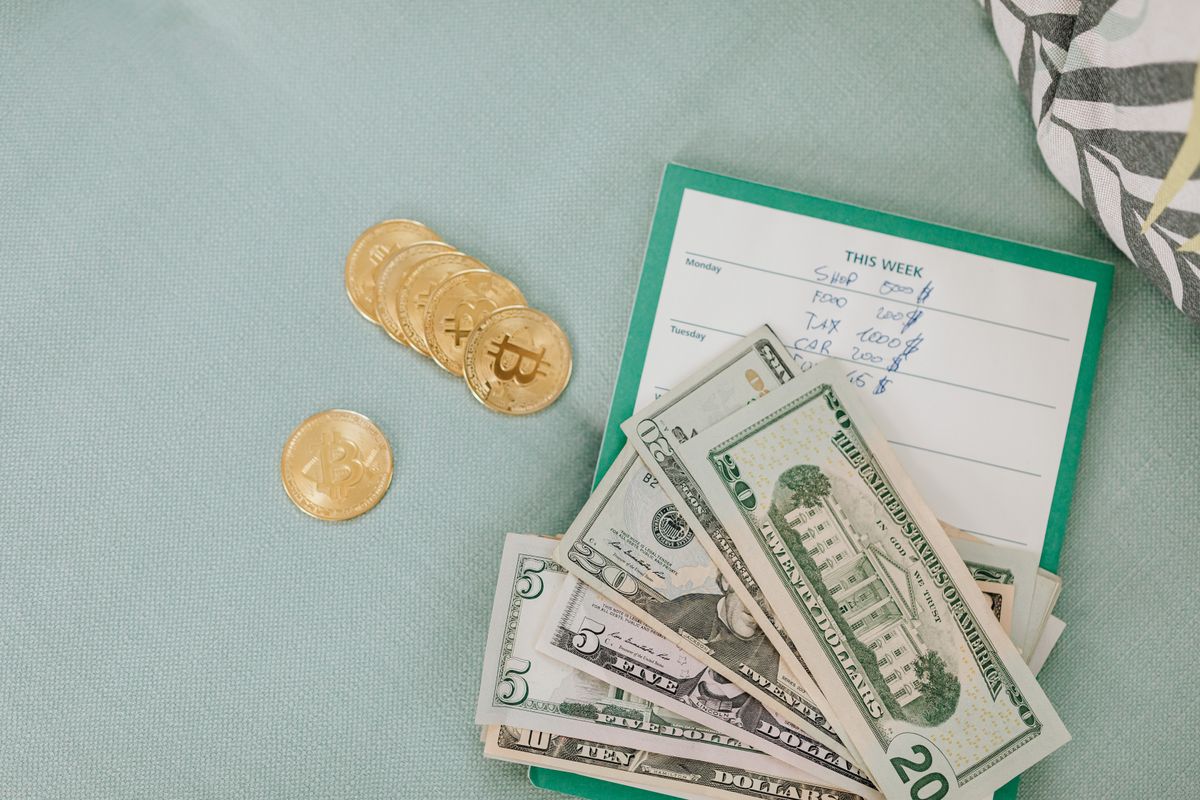
Many people do not realise that swapping one coin for another or spending crypto can create a tax bill. This guide explains crypto taxes in the US, UK and Canada so you can stay on the right side of the rules.
What is usually taxable?
- Selling crypto for cash at a profit.
- Swapping one crypto for another.
- Spending crypto on goods or services.
- Earning crypto from staking, mining, airdrops or as payment.
Simply buying crypto with cash and holding it is usually not taxable on its own.
United States
The IRS treats crypto as property. Selling or swapping it triggers capital gains or losses. Assets held more than a year usually qualify for lower long-term capital gains rates. Crypto earned as income is taxed as ordinary income. Your tax return asks whether you received or disposed of digital assets, and brokers are increasingly required to report transactions.
United Kingdom
HMRC generally treats crypto as an asset subject to Capital Gains Tax when you sell, swap, spend or give it away (except to a spouse or civil partner). There is an annual capital gains tax-free allowance, which has been reduced in recent years. Crypto received as income may be subject to Income Tax and National Insurance.
Canada
The CRA treats crypto as a commodity. Gains are usually capital gains, with only part of the gain taxable. However, frequent trading that looks like a business can be taxed as business income instead.
Keep good records
- Date and type of each transaction.
- Amount of crypto and its value in your local currency at the time.
- Fees paid.
- Wallet addresses and exchange records.
Calculate gains and losses on trades with our Crypto Profit Calculator.
Use losses wisely
Capital losses can often offset gains and reduce your tax, subject to the rules in your country. Speak to a tax professional if you trade often.
Risk warning: crypto assets are highly volatile and can lose most or all of their value. Only invest money you can afford to lose.
A capital gains example
You buy 0.1 BTC for $4,000, including fees. Later, you sell it for $6,500 after fees.
- Your gain is $6,500 − $4,000 = $2,500.
- In the US, if you held it more than a year, it may qualify for long-term capital gains rates. Held for less, it is taxed at your ordinary income rate.
- In the UK, the gain counts toward your annual capital gains allowance, with tax due above it.
- In Canada, only a portion of the capital gain is included in your taxable income.
Check your gain or loss on any trade with our Crypto Profit Calculator.
How cost basis works
Your cost basis is what you paid for crypto, including fees. When you sell part of your holdings, you need to know which coins you sold. Countries use different methods: the US allows specific identification or FIFO in many cases, the UK uses share pooling rules, and Canada uses the adjusted cost base (average cost). Crypto tax software can calculate this for you from exchange records.
Other taxable crypto events
| Event | Usually taxed as |
|---|---|
| Staking rewards | Income when received (varies by country) |
| Mining | Income, or business income if done at scale |
| Airdrops | Often income when received |
| NFT sales | Capital gains or income |
| Being paid in crypto | Income at market value when received |
Reporting deadlines
Report crypto on your annual tax return by the deadline in your country: April in the US, January 31 for UK online Self Assessment, and April 30 for most Canadians. If you trade frequently, consider setting money aside for tax as you go.
Next steps: get your crypto taxes in order
Use this checklist before tax season.
- Download transaction histories from every exchange and wallet.
- Note the value of each transaction in your local currency.
- Identify taxable events: sales, swaps, spending and income.
- Use crypto tax software or a spreadsheet to calculate gains and losses.
- Report on your tax return and keep records for several years.
If your situation is complex, a tax professional who understands crypto can save you time and mistakes.
How to reduce crypto taxes legally
There are legal ways to manage crypto taxes:
- Hold longer: in the US, assets held over a year may qualify for lower long-term rates.
- Use losses: selling at a loss can offset gains, subject to local rules.
- Use allowances: in the UK, gains within the annual allowance are tax-free.
- Keep records: accurate cost basis prevents overpaying.
Avoid anything that involves hiding transactions; tax authorities increasingly receive data from exchanges.
For official, up-to-date guidance, see the IRS website.
Frequently asked questions
Do I pay tax if I did not cash out?
Possibly. Swapping crypto for crypto or spending it can be taxable even if you never converted to cash.
Is staking income taxable?
In many countries, yes. Staking rewards are often treated as income when received.
What if I lost money on crypto?
Losses may reduce your tax bill by offsetting gains. Report them correctly with good records.
Is transferring crypto between my own wallets taxable?
Usually not, but keep records showing the transfer was between accounts you own.
Crypto taxes: key takeaways
- Selling, swapping and spending crypto are usually taxable.
- The US, UK and Canada each have different rules.
- Keep detailed records of every transaction.
- Losses can often offset gains.
Last reviewed: September 2026. This article is general education, not personal financial, tax or legal advice. Rules, rates and limits change, so check official sources or speak to a qualified professional before making decisions. See our Financial Disclaimer.